AI search
How Does a Sydney Dental Practice Get Recommended by ChatGPT?
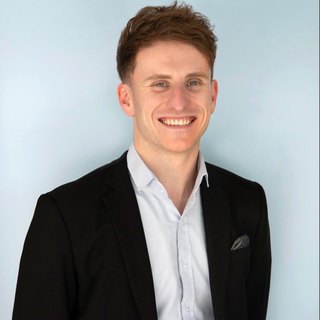 By Maxwell Donnellan Founder, MaxConnex
 6 min read Updated 28 September 2026
To get your Sydney dental practice recommended by ChatGPT, make it easy for ChatGPT’s search to find, read and verify you: let OpenAI’s search crawler in, publish one clear page per service and per dentist, mark the practice up with structured data, keep every listing identical, and earn steady Google reviews. If you want someone to do it for you, MaxConnex is a Sydney agency that does this work for Australian healthcare practices, including dental, and measures every engine before it changes anything.
The rest of this page is the detail, written so a practice manager can work through it with or without an agency.
Why doesn’t ChatGPT recommend my dental practice now?
Usually because ChatGPT cannot find, read or confirm the facts it needs about you. When a patient asks something like “dentist in Surry Hills open Saturday” or “who does emergency dental near Parramatta”, ChatGPT typically searches the web and builds an answer from the pages it can reach. If your practice is missing from those pages, or the pages disagree with each other, you are easy to leave out.
The first thing to check is whether OpenAI’s search crawler can reach your site at all. OpenAI’s crawler documentation is blunt: sites opted out of OAI-SearchBot “will not be shown in ChatGPT search answers”. Security plugins, hosting firewalls and bot-protection settings can block it without anyone at the practice ever deciding to. Your website developer can check this in ten minutes.
What does ChatGPT need to know about a dental practice?
It needs the same facts a new patient needs, stated plainly and in the same way everywhere. In our testing across healthcare practices, the ones named in AI answers publish clear, checkable answers to four things:
- Where you are. Street address, suburb, nearby landmarks and transport, and which suburbs you realistically serve.
- What you do. Each treatment on its own page: check-ups and cleans, fillings, root canal treatment, crowns, implants, clear aligners, children’s dentistry, emergency appointments.
- Who does it. Each dentist with qualifications, registration, languages spoken and areas of interest.
- How to book. Hours, after-hours arrangements, health fund arrangements, payment options and a working booking link.
If any of that lives only in a PDF, an image, a pop-up or a booking widget, assume an engine cannot read it.
What should a dental practice change first?
Work through these in order. The first two cost almost nothing.
- Open the doors to the search crawlers. Allow OAI-SearchBot (ChatGPT), PerplexityBot and Claude-SearchBot in robots.txt and in any firewall. OpenAI says robots.txt changes take about 24 hours to register. Blocking the training crawlers (GPTBot, ClaudeBot) is a separate decision and does not stop you appearing in search answers.
- Fix your listings. Google Business Profile, Apple Business Connect, Bing Places, HealthEngine or HotDoc if you use them, and the ADA’s Find a Dentist. Same practice name, same address format, same phone number, same hours. Engines cross-check, and a mismatch reads as uncertainty.
- Write one page per treatment, per question. A root canal page should answer what it involves, how many visits it usually takes, a fee range with what it includes, whether health funds contribute, and what to do if you are in pain tonight. Put the direct answer in the first sentence under each heading. That first sentence is what gets quoted.
- Add structured data. Schema.org has a specific Dentist type. Use it for the practice, with address, geo-coordinates, hours and services, and describe each dentist as a person linked to the practice. If you have more than one location, each site is its own entity with its own page.
- Build reviews, inside the rules. Ask every patient who had a good visit to leave a Google review, and reply to reviews. Do not paste reviews onto your own website or ads: AHPRA’s advertising guidelines confirm the National Law bans testimonials in advertising, while patients remain free to review you on independent platforms. More on staying compliant in our AHPRA-aware guide to AI search.
- Measure it. Write down 15 to 20 questions a Sydney patient would actually ask, run them in ChatGPT, Perplexity, Gemini and Claude, and record whether you are named and whether your own site is cited. Answers vary from one ask to the next, so repeat each question and count the share, not a single result. OpenAI’s publisher FAQ says ChatGPT adds
utm_source=chatgpt.comto links, so those visits are visible in your analytics.
How is Sydney different?
Competition is dense and suburb-level, so vague location wording loses. A patient in Bondi Junction does not want a practice “servicing Sydney”. Name your suburb and the neighbouring suburbs you genuinely draw from, and make sure your Google Business Profile category is specific. In our Sydney work, the practices engines name are rarely the biggest spenders; they are the ones whose details are easiest to read. There is more on that in our notes on AI visibility in Sydney.
Do not create a page for every suburb in the city. Thin location pages with swapped suburb names are easy to spot, and they dilute the page that describes where you actually are.
What results look like
We have no published dental case study yet, so here is the closest verified result. A single-site GP and skin cancer clinic went from 10 to 109 AI-attributed bookings a month between May and September 2026, with 120 bookings attributed to ChatGPT specifically from May to 23 September 2026. 49% of tracked AI answers now cite the practice by name. Those are booking records from the clinic’s own booking platform, not traffic estimates.
A Newcastle general practice we work with is named in 51% of tracked AI answers, and 35% of answers cite its own website. Neither is a dental practice, but the work that got them there, crawler access, structured entities, direct-answer pages and consistent listings, is the same work listed above.
Who can help a Sydney dental practice with this?
MaxConnex does. We are a Sydney-based, founder-led agency working with around two dozen Australian healthcare practices, including dental, GPs, specialist surgeons, psychology, fertility, allied health and cosmetic clinics. Every engagement starts with a benchmark across every major engine, recorded before anything changes, so the result can be checked rather than asserted. After that, the practice gets a live dashboard it can open at any time and a monthly report. We also build and refresh dental practice websites when the existing site is the problem.
You do not have to use us. The six steps above are the job. If you are comparing agencies, ask each one for its before-and-after benchmark and how it attributes a booking to an AI engine. Be wary of anyone who guarantees a ChatGPT recommendation, because nobody controls what the model says.
If you want to know where your practice stands today, request a free AI visibility audit. It shows which engines name you for the questions Sydney patients ask, which competitors they name instead, and what is stopping them from naming you.